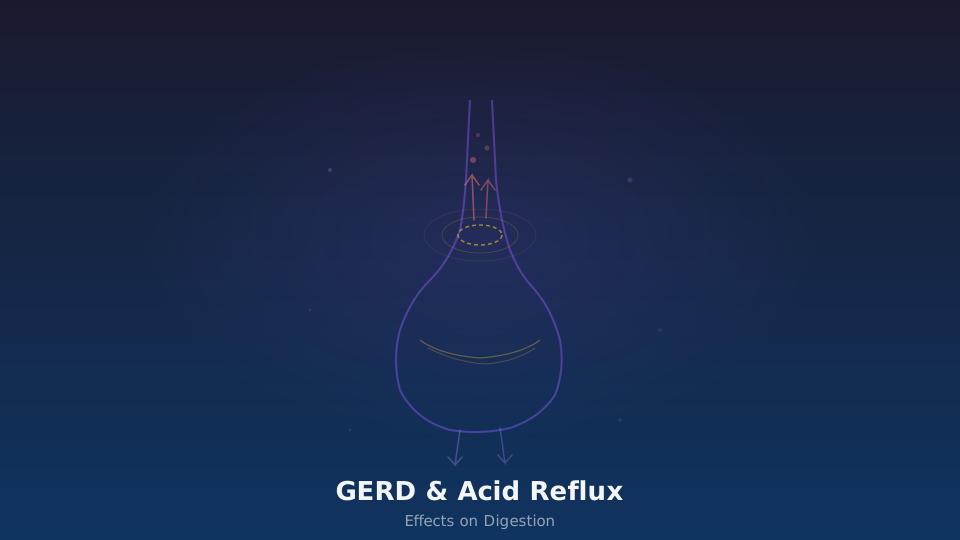
Most people think of acid reflux as a throat and chest problem, a burning sensation after a heavy meal that fades with an antacid. But gastroesophageal reflux disease (GERD) is a chronic condition that can disrupt digestion well beyond the esophagus. When stomach acid repeatedly flows back where it does not belong, the effects ripple through your entire gastrointestinal system, often changing the way your bowels behave.
What Is GERD?
GERD occurs when the lower esophageal sphincter (LES), the muscular valve between your esophagus and stomach, weakens or relaxes at inappropriate times. This allows stomach acid and partially digested food to travel upward into the esophagus. While occasional reflux is normal, GERD is diagnosed when symptoms occur frequently, typically two or more times per week, and begin to affect daily life or cause tissue damage.
An estimated 20 percent of adults in Western countries live with GERD, making it one of the most common digestive disorders worldwide.
Common Symptoms Beyond Heartburn
Heartburn is the hallmark symptom, but GERD presents in many ways that people do not always connect to acid reflux:
- Regurgitation of sour or bitter liquid into the throat
- Chronic cough or throat clearing, especially at night
- Difficulty swallowing (dysphagia) or a sensation of a lump in the throat
- Bloating and nausea after meals
- Changes in bowel habits, including diarrhea or constipation
- Hoarseness or voice changes in the morning
- Chest pain that mimics cardiac discomfort
How GERD Affects Your Bowel Movements
The connection between acid reflux and changes further down the digestive tract is more direct than many people realize. Several mechanisms link GERD to altered stool patterns.
Disrupted Motility
GERD is often associated with dysmotility, a condition where the coordinated muscle contractions that move food through your digestive tract become irregular. When the upper GI tract is not functioning smoothly, the downstream effects can slow transit time (leading to constipation) or speed it up (causing loose stools).
Medication Side Effects
Proton pump inhibitors (PPIs) like omeprazole and lansoprazole are the most widely prescribed GERD treatments. While effective at reducing acid, long-term PPI use can alter gut bacteria composition and reduce nutrient absorption. Many patients report diarrhea, constipation, or bloating as side effects. H2 blockers and antacids can also influence stool consistency.
Bile Reflux Overlap
Some people with GERD also experience bile reflux, where bile from the small intestine flows back into the stomach. Excess bile reaching the colon can act as a laxative, producing urgent, watery stools that may appear greenish or yellowish in color.
Stress and the Gut-Brain Axis
Chronic GERD and the discomfort it causes can heighten stress and anxiety, which in turn affect gut motility through the gut-brain axis. This feedback loop often worsens both reflux symptoms and bowel irregularity.
GERD Triggers and Bowel Impact at a Glance
| Trigger or Factor | Effect on Reflux | Potential Bowel Impact |
|---|---|---|
| Fatty or fried foods | Relaxes LES, delays gastric emptying | Loose stools or diarrhea |
| Coffee and caffeine | Increases acid production | Stimulates bowel motility |
| Alcohol | Irritates esophageal lining | Diarrhea, altered gut bacteria |
| Spicy foods | Worsens heartburn symptoms | May cause urgency or loose stools |
| PPI medications | Reduces stomach acid | Diarrhea, constipation, or bloating |
| Stress and anxiety | Increases acid sensitivity | IBS-like symptoms, irregular stools |
| Large late-night meals | Promotes nighttime reflux | Slower digestion, morning bloating |
| Carbonated drinks | Increases gastric pressure | Bloating and gas |
Management Strategies
Living well with GERD involves more than popping an antacid. A multi-pronged approach addresses both the reflux and its downstream digestive effects.
Dietary Adjustments
Identify and reduce personal trigger foods. Common culprits include citrus, tomatoes, chocolate, mint, garlic, and onions. Eating smaller, more frequent meals instead of large portions reduces pressure on the LES and eases the digestive workload.
Lifestyle Modifications
- Elevate the head of your bed by 15 to 20 centimeters to reduce nighttime reflux
- Avoid lying down for at least three hours after eating
- Maintain a healthy weight, as excess abdominal fat increases reflux pressure
- Quit smoking, which weakens the LES
- Wear loose-fitting clothing around the waist
Medication Review
If PPIs or other acid-reducing medications are causing bowel side effects, discuss alternatives or dosage adjustments with your doctor. Stepping down from a PPI to an H2 blocker, or using the lowest effective dose, may reduce gastrointestinal side effects while still controlling reflux.
Tracking Your Patterns
Because GERD affects people differently, identifying your personal triggers and their downstream effects is essential. Keeping a log of what you eat, your reflux episodes, and your bowel movements helps reveal connections that are easy to miss day to day. Flushy makes this simple by letting you track stool type, color, and tags like “spicy,” “coffee,” or “meds” alongside each entry, so you can spot patterns between your reflux triggers and bowel changes over time.
When to See a Doctor
Most GERD responds well to lifestyle changes and over-the-counter treatments. However, seek medical attention if you experience:
- Symptoms that persist despite two weeks of medication
- Difficulty swallowing or pain when swallowing
- Unintentional weight loss
- Vomiting blood or passing black, tarry stools
- Chest pain (always rule out cardiac causes first)
- Persistent changes in bowel habits lasting more than four weeks
Long-standing untreated GERD can lead to complications including esophagitis, Barrett’s esophagus, and esophageal strictures, which is why ongoing symptoms should not be ignored.
Key Takeaways
- GERD is a chronic condition that affects more than just the esophagus, often altering bowel habits through disrupted motility, medication side effects, and stress
- Tracking your meals, symptoms, and stool patterns is one of the most effective ways to identify triggers and improve management
- Lifestyle modifications such as dietary changes, meal timing, and weight management form the foundation of GERD treatment
- Persistent or worsening symptoms always warrant a conversation with your healthcare provider
This article is for informational purposes only and does not constitute medical advice. Always consult a qualified healthcare professional for diagnosis and treatment of GERD or any digestive condition.